



Extractions and Bone Grafts
At My Milpitas Dentist, we understand that the thought of a tooth extraction or bone graft can feel overwhelming. That’s why our team works hard to make every appointment as comfortable, safe, and stress-free as possible. We're pleased to offer stress-free, personalized tooth extractions and bone grafting in Milpitas.

These procedures are essential for maintaining healthy teeth and gums, preventing dental problems, and preparing your mouth for future restorative treatments, like dental implants in Milpitas, CA. We take the time to explain every step and answer your questions so you can feel confident about your care.
What Are Tooth Extractions?
A tooth extraction is the careful removal of a tooth from its socket in the jawbone. Extractions are sometimes necessary when a tooth is severely decayed, fractured, or impacted and cannot be repaired with a crown or filling. Using modern dental techniques and local anesthesia, or sedation if needed, we ensure your extraction is as gentle and comfortable as possible.
Common Signs You May Need a Tooth Extraction
- Persistent tooth pain or repeated infections
- Severe decay that cannot be restored
- Impacted or problematic wisdom teeth
- Crowding or orthodontic concerns
- Fractured, broken, or damaged teeth
Removing a tooth that’s causing problems can protect surrounding teeth, prevent infection, and set the stage for future dental treatments if needed.
Reasons for Extractions and Bone Grafting
Treat Infection or Damage
Prepare for Restorative Dentistry
Correct Orthodontic or Alignment Issues
Our Team
-
Dr. Anthony Yen
Dr. Anthony Yen is the proud owner and lead dentist at My Milpitas Dentist. After earning his Doctor of Dental Medicine degree from the ATSU Arizona School of Dentistry and Oral Health, he purchased his ...
Read More -
Dr. Nicole Chhea
Dr. Nicole Chhea is an associate dentist at My Milpitas Dentist. She joined the team after earning her degree from the Arizona School of Dentistry and Oral Health. Dr. Chhea works hard to help patients ...
Read More
What Is Bone Grafting?
Bone grafting is a procedure to rebuild or strengthen the jawbone, often performed after a tooth extraction or when preparing for dental implants. Grafting replaces lost bone with natural or synthetic bone material to provide a solid foundation for future restorations and maintain the shape of your jaw and gums.
Common Signs You May Need Bone Grafting

- Missing teeth resulting in bone loss
- Jawbone deterioration detected on x-rays
- Planning for dental implants
- Gum disease causing bone loss
What to Expect During Your Appointment
For Tooth Extractions
- Comprehensive examination and imaging to evaluate the tooth
- Administration of local anesthesia or sedation for comfort
- Gentle removal of the tooth and cleaning of the socket
- Instructions for care and healing, including pain management
For Bone Grafting
- Preparation of the site with local anesthesia
- Placement of bone graft material into the jawbone
- Suturing the area to promote healing
- Guidance on oral care and diet during recovery
Extractions and Bone Grafts Technology
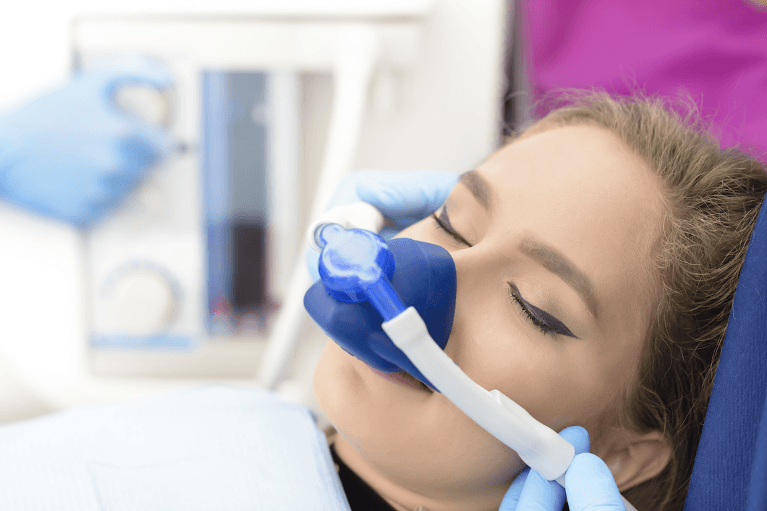
Nitrous Oxide Sedation
Also known as “laughing gas,” nitrous helps you relax in the chair without putting you to sleep. The effects wear off quickly, so you can go about your day after your appointment.
Recovery and Care After Tooth Extractions
Proper care after a tooth extraction is key to ensuring a smooth and comfortable recovery. Our team at My Milpitas Dentist provides detailed guidance so you can heal quickly and safely:

- Follow your prescribed medications. — Take any pain relievers, antibiotics, or anti-inflammatories exactly as directed. These medications help manage discomfort, prevent infection, and support a faster recovery. If you have any questions about your prescriptions, don’t hesitate to call our office.
- Adjust your diet for healing. — Stick to soft, easy-to-chew foods for the first few days, such as yogurt, soups, mashed potatoes, or smoothies. Avoid hard, crunchy, or sticky foods that could irritate the extraction site or dislodge the healing clot.
- Maintain gentle oral hygiene. — Keep your mouth clean, but be gentle around the extraction area. You may be advised to rinse with warm salt water starting one to two days after the procedure. This helps reduce bacteria, soothe the tissue, and promote healing. Avoid vigorous rinsing or spitting during the initial healing period.
- Attend follow-up appointments. — Follow-up visits allow our team to monitor healing, remove sutures if needed, and address any concerns early. These appointments are an important part of ensuring long-term oral health and comfort.
Recovery and Care After Bone Grafting
Healing from a bone graft involves similar steps, with a few additional considerations:
- Avoid putting pressure on the graft site and follow specific instructions about diet and oral hygiene.
- Take medications as prescribed to minimize discomfort and reduce the risk of infection.
- Attend all follow-up appointments to ensure the graft is integrating properly and your jawbone remains strong.
At My Milpitas Dentist, our goal is to provide compassionate, personalized care for every patient undergoing extractions or bone grafting. We guide you through each step to ensure your comfort, successful healing, and a healthy smile that lasts.
Call us today to schedule your consultation.
Frequently Asked Questions
Tooth extractions and bone grafting are common dental procedures that help maintain oral health, prevent complications, and prepare your mouth for restorative treatments such as dental implants. At My Milpitas Dentist, we carefully evaluate each patient to determine the best course of action.
Signs You Might Need a Tooth Extraction
You may require a tooth extraction if a tooth is damaged, decayed, or causing problems that cannot be treated with a filling, crown, or other restorative procedure.
Common signs include:
- Persistent or severe tooth pain
- Infections that do not respond to other treatments
- Impacted wisdom teeth, causing discomfort or crowding
- Fractured or broken teeth that cannot be repaired
- Overcrowding or bite alignment issues
Signs You Might Need Bone Grafting
Bone grafting is often recommended to restore lost jawbone or prepare for dental implants. Signs that you may need a bone graft include:
- Missing teeth that have led to jawbone deterioration
- Bone loss detected on x-rays
- Gum disease, causing bone or tissue loss
- Planning for implant placement
Both procedures are designed to protect your oral health, restore function, and maintain the structure of your jaw. Our team at My Milpitas Dentist ensures that each procedure is performed safely and with long-term results in mind.
Call us today to learn more!